
Fashion is more than just clothing. It is a reflection of culture, society, technology, and personal identity. Over the years, fashion trends have evolved dramatically, changing the way people dress, express themselves, and communicate with the world. From ancient civilizations to the modern digital era, fashion has continuously transformed according to social values, economic conditions, and technological advancements. The evolution of fashion trends tells an interesting story about human creativity and cultural development.
Fashion in Ancient Civilizations
The history of fashion began thousands of years ago in ancient civilizations such as Egypt, Greece, Rome, India, and China. In these societies, clothing was designed mainly for protection from weather, but it also represented social status and wealth.In ancient Egypt, people wore lightweight linen clothes because of the hot climate. Wealthy Egyptians decorated their garments with gold jewelry and colorful accessories. Similarly, in ancient Rome and Greece, flowing robes such as togas and tunics became symbols of dignity and class.In India, traditional clothing like sarees, dhotis, and turbans reflected cultural heritage and regional identity. Natural fabrics such as cotton and silk were widely used. Fashion during this period was deeply connected to traditions, religion, and craftsmanship.
Fashion During the Middle Ages
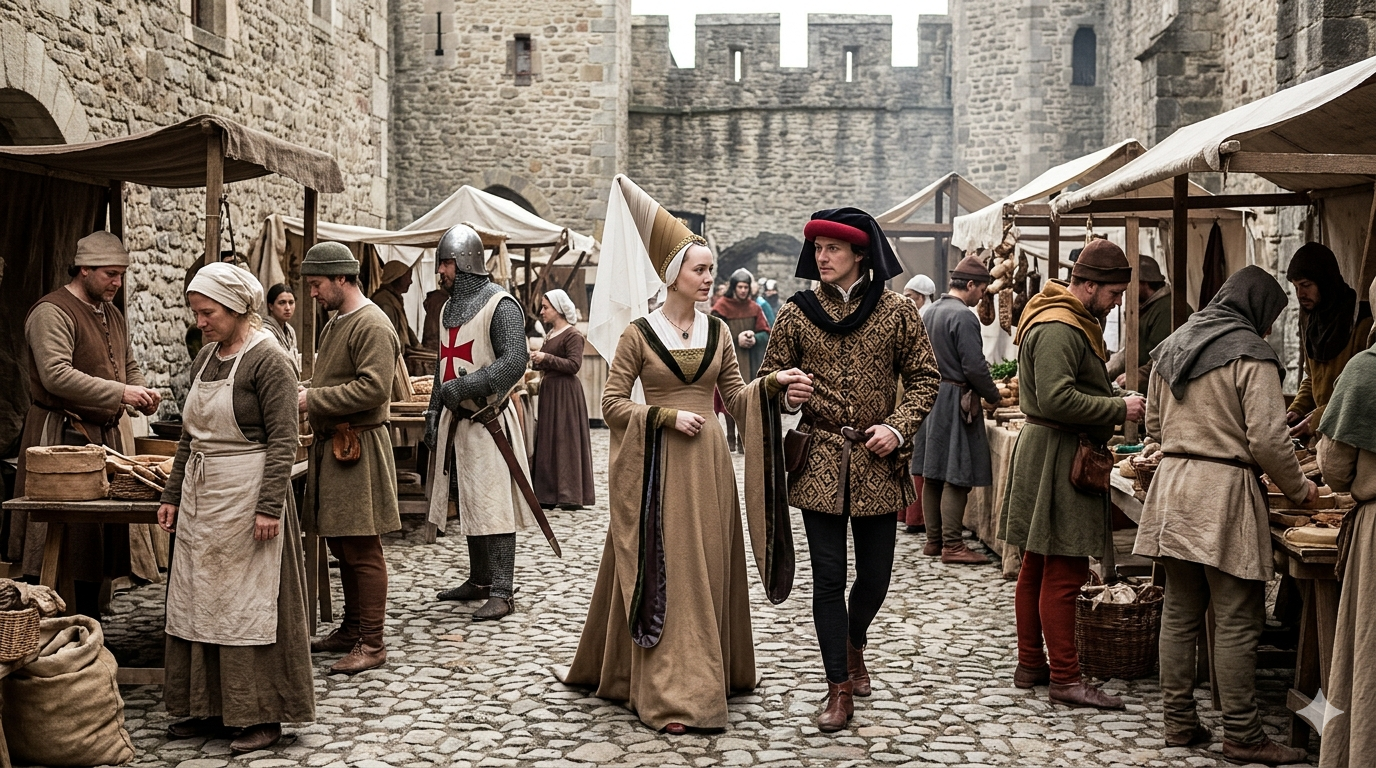
During the Middle Ages, fashion became more structured and influenced by royalty and religion. European kings and queens introduced luxurious garments made of velvet, silk, and wool. Long gowns, corsets, cloaks, and embroidered dresses became popular among the upper class.Clothing during this period clearly showed social hierarchy. Rich people wore expensive fabrics and bright colors, while poor people dressed in simple and plain clothes. Tailoring techniques also improved, allowing garments to fit the body better.Fashion was no longer only about necessity; it became a symbol of power, prestige, and elegance.e
The Renaissance and Fashion Revolution
The Renaissance period brought major changes in art, culture, and fashion. This era encouraged creativity and individual expression. Rich fabrics, detailed embroidery, lace collars, and decorative sleeves became fashionable.Men started wearing fitted jackets and trousers, while women preferred layered gowns with beautiful patterns. Fashion became more artistic and stylish. European countries such as France and Italy became important fashion centers during this time.The invention of better textile production methods also made fashionable clothing more accessible to people
Fashion in the 18th and 19th Centuries
The 18th century was known for extravagant fashion styles. Women wore large dresses with wide skirts and corsets, while men dressed in elegant coats and waistcoats. Fashion reflected luxury and sophistication.However, the Industrial Revolution in the 19th century completely changed the fashion industry. Machines allowed clothes to be produced faster and cheaper. This made fashionable clothing available to the middle class as well.During the Victorian era, modest fashion became popular. Women wore long dresses with high necklines, while men preferred formal suits and hats. Fashion magazines also emerged during this period, helping trends spread quickly across countries.
The Rise of Modern Fashion in the 20th Century
The 20th century saw the most dramatic transformation in fashion history. Every decade introduced new styles influenced by music, cinema, politics, and social movements.
The Impact of Technology on Fashion
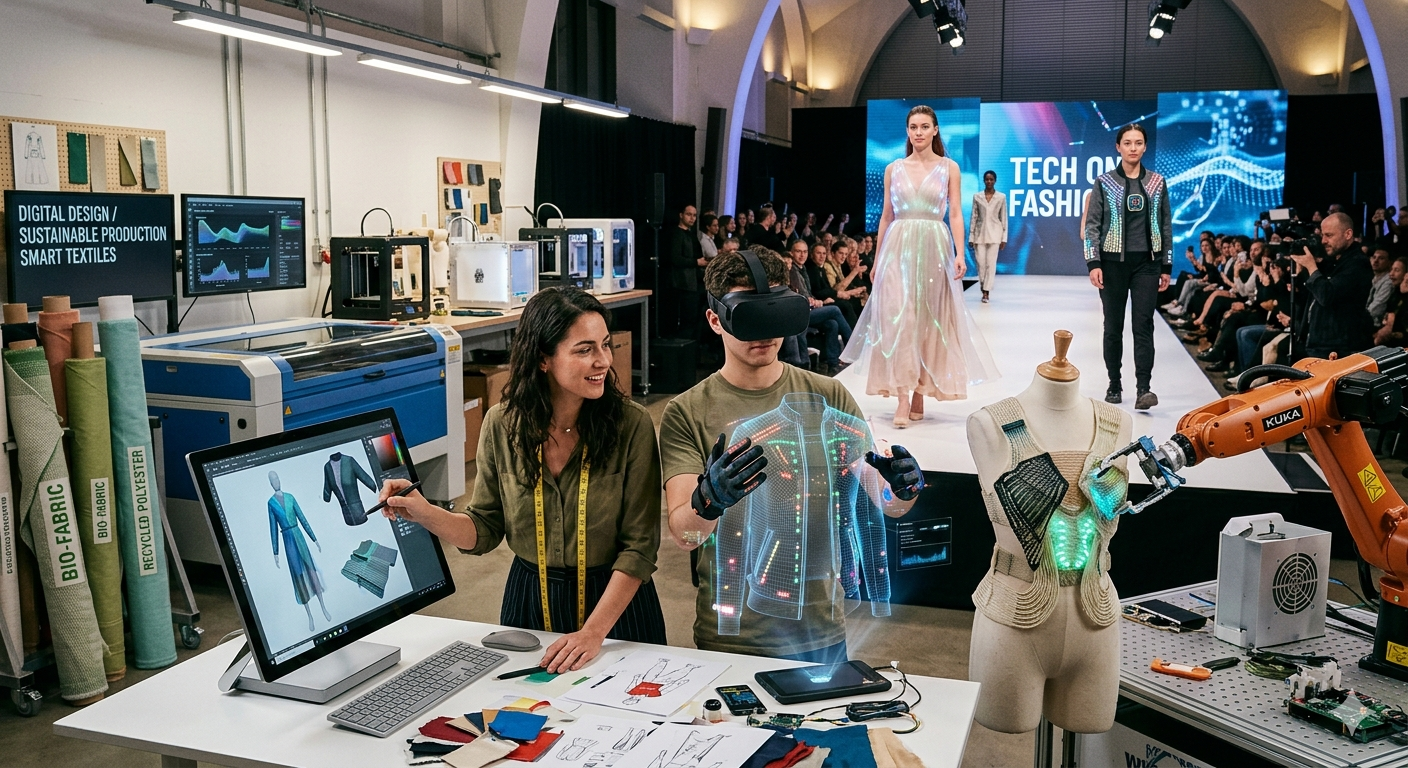
Technology has played a major role in shaping modern fashion trends. The invention of sewing machines, synthetic fabrics, and online shopping transformed the industry completely.
Today, social media platforms such as Instagram, YouTube, and TikTok influence fashion trends globally within minutes. Fashion influencers, celebrities, and digital creators promote new styles every day.
Online shopping has made fashion accessible to people worldwide. Customers can now explore global trends, compare styles, and purchase clothing from international brands easily.
Artificial Intelligence and virtual fashion technology are also changing the future of fashion. Some companies now use AI for personalized recommendations and virtual fitting rooms.
Fashion and Personal Identity
Modern fashion is strongly connected to self-expression. People use clothing to represent their personality, culture, beliefs, and lifestyle. Unlike earlier times, fashion today has fewer strict rules .Gender-neutral fashion, inclusive clothing, and diverse representation are making the fashion industry more open and accepting. Designers now create styles for people of all backgrounds, body types, and identities .Fashion has become a powerful way for individuals to express confidence and creativity. here
The Future of Fashion Trends
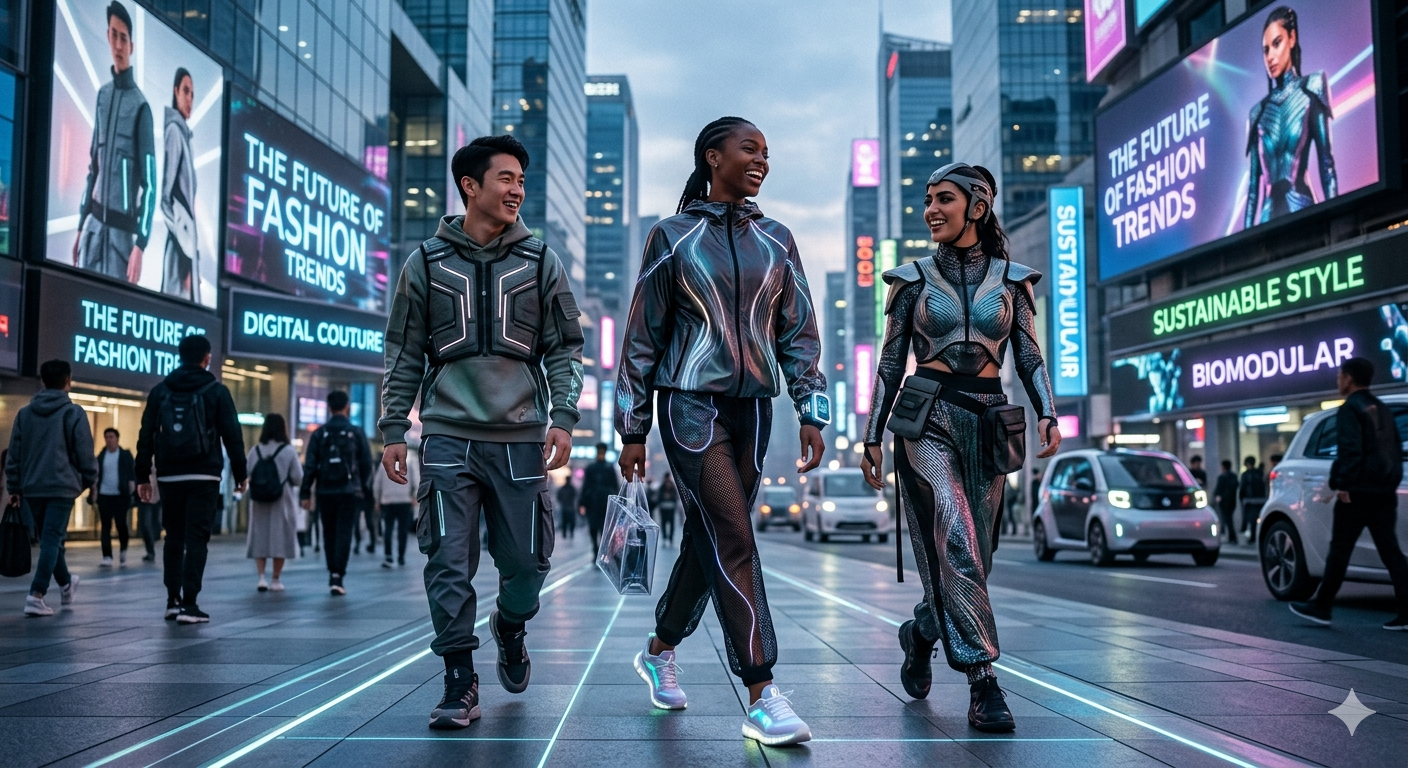
The future of fashion will likely combine technology, sustainability, and innovation. Smart clothing, digital fashion shows, and AI-designed outfits may become common in the coming years
At the same time, traditional styles and cultural heritage will continue influencing modern fashion. Designers often blend classic and modern elements to create unique trends.
Fashion will keep evolving as society changes. What remains constant is the human desire to express individuality and creativity through clothing
Conclusion
The evolution of fashion trends reflects the journey of human civilization itself. From traditional garments in ancient societies to modern digital fashion, clothing has always been influenced by culture, technology, and social change.
Fashion is not just about looking stylish; it represents identity, history, and innovation. As trends continue to evolve, fashion will remain an important part of everyday life, inspiring people to express themselves in new and creative ways.
The story of fashion is still being written, and the future promises even more exciting transformations in the world of style.